







Choosing the right dog shampoo isn’t a one-size-fits-all decision. Coat type, skin sensitivity, lifestyle, and how often a dog is bathed all play a role in what will work best. Whether you’re a professional groomer running a busy salon or a home groomer looking after your own dog, using the wrong shampoo can lead to dry skin, irritation, dull coats, and disappointing results.
At Groomers World, we supply professional dog shampoos and grooming products that work just as well for home and salon grooming. This guide explains the different types of dog shampoo, how to match them to coat and skin needs, and how to build a simple shampoo routine that actually works.
You’ll also see how shampoo choice fits into a complete grooming set-up, alongside bathing equipment, dryers, brushes, and finishing products.
Let’s start with the fundamentals.
Why Dog Safe Shampoo Matters (and Why Human Shampoo Doesn’t)
Dogs and humans have very different skin. Human skin is naturally more acidic (pH 4.5–5.5), while dog skin is closer to neutral (often pH 6–7+). Using human shampoo on a dog can disrupt the skin’s protective barrier and strip away natural oils.
Over time, this can lead to:
- Dry, flaky skin
- Itching and irritation
- A dull, brittle coat
- Increased sensitivity to bacteria and yeast
Professional dog shampoos are formulated specifically for canine skin. They use gentler cleansing agents, are pH-balanced for dogs, and rinse out cleanly without leaving residue behind. This is why professional groomers and vets consistently recommend dog-specific products.
Key takeaway: always use dog shampoo. Whether you’re bathing one dog a month at home or dozens a week in a salon, the right formula protects skin health and improves coat quality long-term.
Key Dog Shampoo Types (and When to Use Each)
This section breaks down the main types of dog shampoo available at Groomers World and explains when each one makes sense.
Everyday / All-Purpose Dog Shampoo
What it does :
An everyday shampoo is your foundation. It gently cleans without stripping the coat and is suitable for most healthy dogs with no specific skin issues.
Best for :
- Routine bathing
- Healthy skin and coats
- Home groomers starting out
- Salon “default” washes
Why it matters :
Most professional groomers find that an all-purpose shampoo covers the majority of dogs they see. It keeps coats clean, manageable, and healthy without over-treating the skin.
Explore our full range of dog shampoo collection, including all-purpose, everyday shampoo.

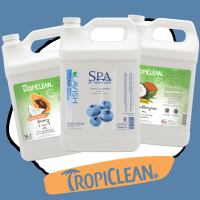
TropiClean Salon Refill Bundle — Save 15% When You Buy 4+
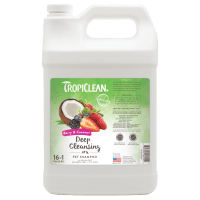
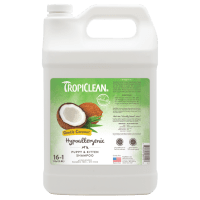
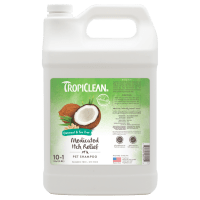

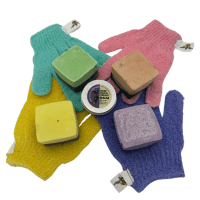
Dog Grooming Natural Shampoo Bars
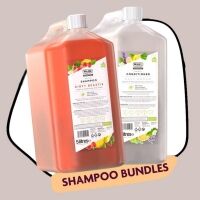
Wahl Salon Refill Bundle — Save 20% When You Buy 4+
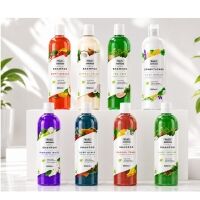
Wahl 500ml Shampoo’s
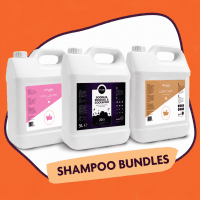
Salon Shampoo Restock Bundle — Save 15% When You Buy 4+

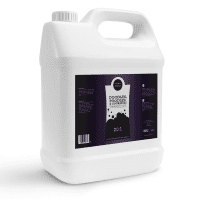
Deep Clean & Degreasing Shampoo
Deep-clean shampoos remove heavy dirt, grease, oil buildup, and environmental grime. They are stronger than everyday shampoos and often need a longer contact time before rinsing.
When to use :
- Muddy or outdoor dogs
- Naturally greasy coats
- After swimming or beach walks
- When odour or buildup persists
Many salons use a deep clean as a first wash, followed by an everyday shampoo as a second wash to leave the coat soft and finished.
Explore our Deep Clean dog shampoos:


Sensitive Skin & Hypoallergenic Shampoo
Hypoallergenic shampoos are to minimise irritation. They avoid harsh detergents and heavy fragrance, instead using soothing ingredients like oatmeal and aloe vera.
Ideal for :
- Dogs with sensitive or reactive skin
- Dogs prone to itching
- Puppies and senior dogs
- Breeds known for skin sensitivity
Shop our collection, Ideal for dogs with sensitive skin, allergies, or irritation:

Medicated & Anti-Itch Shampoo (Use With Care)
Medicated shampoos contain active ingredients to help manage itching, yeast, or bacterial skin issues. They are not everyday products and should be used with a clear purpose.
When appropriate :
- Vet-recommended use
- Ongoing itch or irritation
- Fungal or yeast-related skin problems
When not to use :
- On healthy skin as a preventative
- As a substitute for veterinary diagnosis
Shampoo can help manage symptoms, but persistent skin problems should always be assessed by a vet.

TropiClean Oatmeal & Tea Tree Medicated Itch Shampoo 3.8L
£54.99- Helps relieve dry, itchy and irritated skin
- Beta hydroxy
- Oatmeal, tea tree and aloe
- Gently exfoliates, cleanses and conditions
- Suitable for dogs and cats over 12 weeks of age
- Paraben, dye, soap and cruelty-free formula
- Made with naturally derived ingredients
- Refreshing oatmeal and tea tree fragrance
Whitening & Brightening Shampoo
Whitening shampoos help reduce dullness and yellowing in white or light-coloured coats, leaving them brighter and fresher-looking.
Commonly used on
- West Highland White Terriers
- Maltese and Bichons
- Poodles and Doodles with light coats
- Any coat that’s lost its brightness over time
Clients with white dogs often notice the difference immediately after a proper whitening wash.
Our whitening shampoos include TropiClean Whitening 3.8L and our professional 5L Whitening formula – both to brighten white and light-coloured coats.
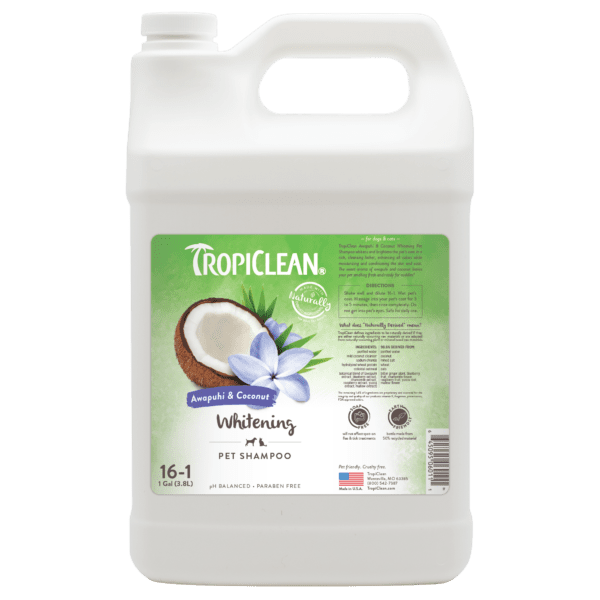
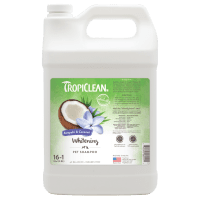
TropiClean Whitening Shampoo 3.8L
£54.99- Whitens white coats and enhances all coat colours
- Helps remove stains, dirt and pet odours
- Blueberry, oatmeal, awapuhi and coconut
- Leaves coats soft, vibrant and easy to manage
- Suitable for dogs and cats over 12 weeks of age
- Paraben, dye, soap and cruelty-free formula
- Made with naturally derived ingredients
- Sweet Awapuhi and coconut fragrance

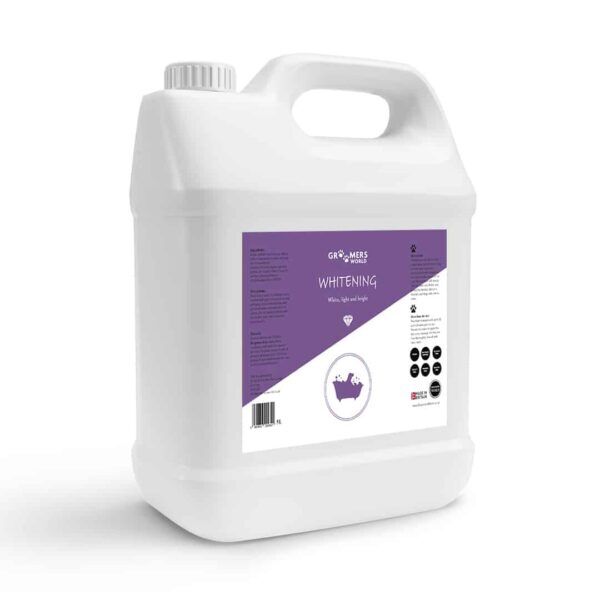
Whitening Shampoo 5L
£34.99- 32:1 concentrated dilution
- White and light-coloured coats
- Brightens, whitens and enhances
- Removes stains and discolouration
- Deep cleansing formula
- Naturally derived ingredients
- Vegan and cruelty-free formula
- Free from SLS and parabens
- Ideal for white-coated breeds
2-in-1 Shampoo & Conditioner
A 2-in-1 formula cleans and conditions in one step, saving time and reducing the number of products needed.
Best for
- Quick maintenance baths
- Home grooming between full grooms
- Dogs with balanced, low-maintenance coats
When separate products are better
- Dry or damaged coats
- Long, curly, or silky coats
- Professional salon work where control matters
Recommended for efficient grooming without sacrificing conditioning:
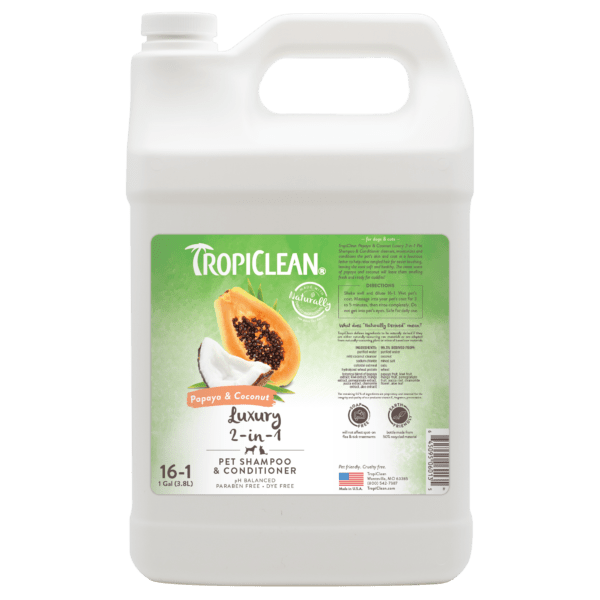
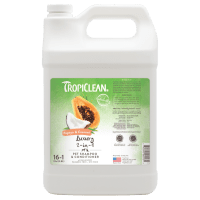
TropiClean Papaya & Coconut 2 in 1 Shampoo 3.8L
£54.99- Professional 3.8L 2-in-1 shampoo & conditioner
- Cleanses and conditions
- Papaya, coconut and vitamin E
- Helps relax tangled hair
- Leaves coats soft, healthy and easy to manage
- Suitable for dogs and cats over 12 weeks of age
- Paraben, dye, soap and cruelty-free formula
- Made with naturally derived ingredients
- Sweet papaya and coconut fragrance
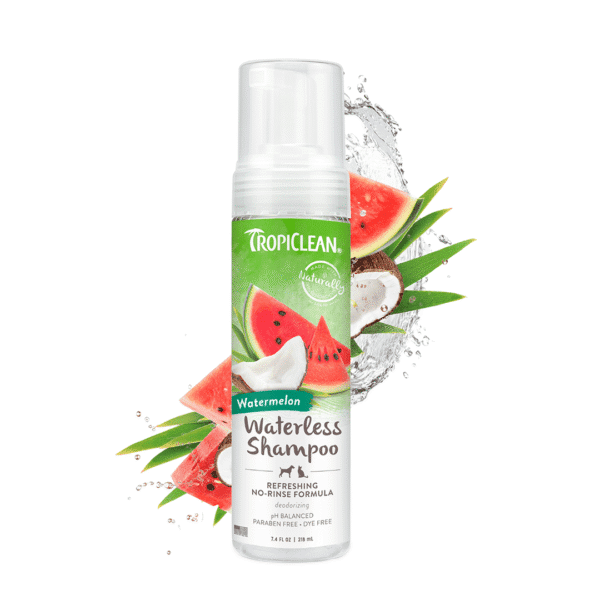
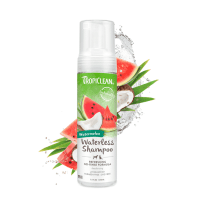
TropiClean Watermelon Luxury 2-in-1 Waterless Shampoo for Pets, 220ml
£10.49- Cleanses, moisturises and conditions
- Helps eliminate odours
- Botanical blend
- Suitable for dogs and cats over 12 weeks of age
- Soap, paraben, dye and cruelty-free formula
- pH balanced
- Fresh watermelon fragrance
For a detailed look at when separate conditioning works best and how professionals use conditioners to improve coat health and grooming efficiency, see our complete Dog Conditioning Guide.
Deodorising & Odour-Control Shampoo
Deodorising shampoos neutralise odour rather than just masking it. They’re useful for dogs with a strong “doggy” smell or those that swim frequently.
Why groomers like them
A fresh-smelling dog leaves a strong final impression and keeps clients happy between appointments.
Natural & Alternative Shampoo Options
What they are :
Natural shampoos and solid shampoo bars use plant-based ingredients and minimal processing. They appeal to eco-conscious owners and reduce plastic waste.
Who they suit
- Environmentally-minded customers
- Dogs that tolerate natural formulations well
- Groomers offering a “natural” service option
Natural doesn’t automatically mean gentler. Always check ingredients and patch-test on unfamiliar dogs.
Understanding Dog Shampoo Ingredients
Choosing a shampoo isn’t just about the label -ingredients matter.
Ingredients commonly found in quality dog shampoos
- Oatmeal: soothes itchy or inflamed skin
- Aloe vera: hydrates and calms irritation
- Natural oils (coconut, jojoba, argan): improve coat condition and shine
- Tea tree oil: mild antibacterial and antifungal properties (use thoughtfully)
- Charcoal: helps with odour and buildup
- Mild surfactants: cleanse without stripping
Ingredients to use with caution
- Heavy artificial fragrance
- Very strong detergents
- Silicone-heavy formulas (can build up if not rinsed properly)
If a coat looks dull or feels greasy after washing, the issue is often residue or incorrect rinsing, not the shampoo itself.
Matching Shampoo to Coat Type and Skin Needs
One of the biggest mistakes in dog grooming is choosing shampoo based on brand or scent rather than coat type. Different coats behave very differently when wet, and the right shampoo choice can make bathing, drying, and finishing significantly easier.
Below is a practical breakdown of how professional groomers match shampoo to coat type and how home groomers can do the same.
Short, Smooth Coats
Short coats (such as Labradors, Boxers, and many mixed breeds) don’t tangle, but they do hold oil and odour close to the skin.
Common challenges
- Greasy feel even after washing
- Strong “doggy” smell
- Shedding that sticks to the coat
An everyday dog shampoo is ideal for routine bathing, as it removes surface dirt and oil without drying the skin. If the coat starts to feel greasy or dull, an occasional deep-clean shampoo can help reset the coat.
Over-washing short coats with strong shampoos can actually increase oil production. Gentle, consistent cleansing works better than aggressive products.
Double Coats and Heavy Shedders
Double-coated dogs (such as German Shepherds, Huskies, and Spaniels) have a dense undercoat that traps dirt, loose hair, and moisture.
Common challenges
- Mud and debris stuck in the undercoat
- Lingering odour if not dried properly
- Excessive shedding
Use an everyday shampoo for regular grooming, with a deep-clean shampoo when the coat feels heavy, greasy, or smells even after bathing. Shampoo choice matters, but so does technique.
Proper rinsing and drying are just as important as shampoo. A good dryer or blaster lifts out undercoat and prevents dampness that can cause odour or skin irritation.
Curly and Wool Coats (Poodles, Doodles)
Curly and wool coats absorb water easily and can dry out if the wrong shampoo is used.
Common challenges
- Matting and tangles
- Dryness or frizz
- A coat that feels rough after drying
Choose a gentle everyday shampoo that cleans without stripping moisture. Many groomers follow with a conditioner, while home groomers often prefer a 2-in-1 shampoo and conditioner for maintenance baths.
Dry coats tangle faster. Maintaining moisture during bathing makes brushing, drying, and clipping much easier.
Silky Coats
Silky coats show residue very quickly.
Common challenges
- Flat or greasy appearance
- Build-up from heavy products
- Reduced shine
Use a clean-rinsing, everyday shampoo and avoid heavy conditioners unless the coat is genuinely dry. Silky coats benefit more from proper rinsing than from extra products.
If a silky coat looks dull after bathing, it’s often due to residue rather than the shampoo itself. Extra rinse time usually fixes the problem.
Wire Coats
Wire coats are about texture. Over-conditioning or overly soft shampoos can affect the natural finish.
Common challenges
- Loss of coat texture
- Coat feeling “too soft”
- Difficult hand-stripping or clipping
Stick to simple, non-softening shampoos that rinse cleanly. Only introduce conditioning products if the skin is dry or irritated.
Less is more with wire coats. A balanced shampoo keeps the coat workable without compromising texture.
Sensitive, Itchy, or Reactive Skin
Some dogs show sensitivity regardless of coat type.
Common signs
- Scratching after bathing
- Redness or flaking
- Recurrent irritation
Start with a hypoallergenic dog shampoo as your default. These formulas avoid harsh detergents and heavy fragrance. If itching persists, medicated shampoos may help, but only with clear intent and, ideally, veterinary guidance.
Chronic skin problems are rarely “just a shampoo issue.” Diet, allergies, parasites, and environment all play a role.
Key Takeaway for Groomers and Home Users
The best shampoo is the one that:
- Matches the coat type
- Supports skin health
- Rinses cleanly
- Makes the rest of the grooming process easier
Most professionals don’t use dozens of shampoos; they use a small, well-chosen selection and apply them intentionally.
How to Build a Dog Bathing Routine (Salon & Home)
A good bathing routine isn’t about owning dozens of shampoos; it’s about using the right products, in the right order, with the right equipment.
How often should a dog be bathed?
Bathing frequency depends on coat type, lifestyle, and skin sensitivity. Dogs that get muddy, swim often, or are professionally groomed will be bathed more regularly than low-maintenance dogs. If you notice dryness or irritation after bathing, reduce frequency and switch to a gentler shampoo.
Just as important as shampoo choice is the bathing setup itself. Using a properly sized, non-slip dog grooming bath makes washing safer, more controlled, and far less stressful, especially for larger or nervous dogs. You can read our full guide to choosing the right dog grooming bath.
A simple shampoo line-up that works
For most salons and home groomers, this small “wardrobe” covers the majority of dogs:
- Everyday shampoo – for routine baths
- Hypoallergenic shampoo – for sensitive skin, puppies, and reactive dogs
- Deep-clean shampoo – for greasy, muddy, or heavily soiled coats
- Optional: whitening or 2-in-1, depending on coat type
Salon routine: the two-wash method
Many professional groomers use:
- A first wash to remove dirt and oil (deep clean if needed)
- A second wash with an everyday or coat-specific shampoo for finish and feel
This approach improves coat quality and reduces the amount of product needed overall.
Home routine: stress-free basics
- Brush the coat before bathing to remove loose hair and tangles
- Fully soak the coat before applying shampoo (especially on double coats)
- Follow dilution and contact time instructions
- Rinse thoroughly, then rinse again
- Dry properly to avoid a damp undercoat and lingering odour
Common Dog Shampoo Mistakes (And How to Avoid Them)
Many issues blamed on “bad dog shampoo” are actually caused by incorrect product use, poor technique, or choosing the wrong shampoo for the dog’s coat or skin. Understanding these common mistakes helps prevent itching, dryness, lingering odour, and disappointing grooming results.
Not Diluting Concentrated Dog Shampoo Correctly
Most professional dog shampoos are concentrated and designed to be diluted before use. Applying concentrated shampoo directly to the coat can:
- Leave residue on the skin
- Causes dryness or irritation
- Make the coat feel greasy after drying
- Increase itching, especially in sensitive dogs
Concentrated shampoo does not rinse as cleanly when over-applied. Residue is one of the most common causes of post-bath itching.
How to avoid it: Always follow the manufacturer’s dilution guidelines. Diluted shampoo spreads more evenly, cleans more effectively, and rinses out properly.
Inadequate Rinsing (The Most Common Mistake)
If a dog is scratching, flaky, or smells again shortly after bathing, poor rinsing is often the cause and not the shampoo itself.
What happens when shampoo isn’t fully rinsed out:
- Residue traps dirt and bacteria
- Skin becomes itchy or inflamed
- The coat looks dull or sticky
- Odour returns quickly
This issue is especially common with:
- Double coats
- Thick undercoat
- Curly or wool coats
Rinse until you think it’s clean, and then rinse again. Proper rinsing is essential for any dog shampoo to work correctly.
Using the Wrong Dog Shampoo Repeatedly
Using the same shampoo for every dog, regardless of coat type or skin condition, often leads to problems over time.
Examples:
- Using deep-clean shampoo too frequently → dry, itchy skin
- Using heavily fragranced shampoo on sensitive dogs → irritation
- Using conditioning shampoos on wire coats → loss of texture
How to fix it:
Match the shampoo to:
- Coat type
- Skin sensitivity
- Lifestyle and bathing frequency
Most groomers succeed with a small, intentional shampoo lineup, not dozens of products.
Over-Bathing with the Wrong Shampoo
Bathing too frequently with unsuitable shampoo strips natural oils and disrupts the skin barrier. This can trigger the skin to overproduce oil, making the dog smell worse, not better.
Common signs of over-bathing:
- A greasy coat shortly after bathing
- Increased dandruff or flaking
- Persistent itching
Dogs that require frequent bathing should use gentle, everyday dog shampoo or hypoallergenic formulas, not degreasers.
Ignoring Coat Preparation Before Shampooing
Shampoo alone cannot fix a poorly prepared coat.
Problems caused by skipping prep:
- Shampoo doesn’t penetrate the coat
- Dirt remains trapped in mats or undercoat
- The product builds up unevenly
Best practice:
- Brush or de-shed before bathing
- Remove loose hair and tangles
- Fully soak the coat before applying shampoo
This improves shampoo performance and reduces product waste.
Skipping Proper Drying After Bathing
A dog that isn’t dried correctly may still smell, itch, or develop skin problems even if the shampoo was perfect.
Why drying matters:
- Damp undercoat traps bacteria and yeast
- Moisture causes lingering odour
- Skin folds stay irritated
This is especially important for:
- Double-coated breeds
- Thick or curly coats
- Dogs prone to skin issues
Drying is part of skin care, not just presentation.
Assuming “Natural” Always Means Safer
More users are now looking for “best natural dog shampoo ”, but natural ingredients can still cause reactions.
Potential issues:
- Essential oils that irritate sensitive skin
- Botanical ingredients triggering allergies
- Inconsistent formulations
Always check ingredients and patch-test when switching shampoos, especially on dogs with known sensitivities.
Expecting Shampoo to Fix Ongoing Skin Problems
Dog shampoo can support skin health, but it cannot resolve chronic issues alone.
If problems persist:
- Recurrent itching
- Redness or sores
- Yeast or bacterial smells
The issue may involve:
- Diet
- Allergies
- Parasites
- Environmental triggers
In these cases, shampoo should be part of a wider care plan, ideally with veterinary guidance.
If a dog’s coat looks dull, greasy, itchy, or smells shortly after bathing, the problem is usually technique, frequency, or product mismatch, not the dog shampoo itself.
Using the right dog shampoo, diluted correctly, rinsed thoroughly, and paired with proper drying makes a bigger difference than switching brands constantly.
Dog Grooming Shampoo – Frequently Asked Questions
What is the best shampoo for a dog?
The best dog shampoo depends on the dog’s coat type, skin condition, and how often they’re bathed. For most dogs, a gentle, pH-balanced everyday dog shampoo is ideal for regular use. Dogs with sensitive or itchy skin benefit from hypoallergenic or oatmeal-based shampoos, while greasy or muddy dogs may need an occasional deep-clean shampoo.
Professional groomers typically choose shampoos based on function rather than scent or brand alone.
What dog shampoo should I stay away from?
Avoid any shampoo that is:
- Made for humans
- Not labelled specifically for dogs
- Very heavily fragranced
- For deep degreasing when used frequently
Products like dish soap, household detergents, or human shampoos can disrupt a dog’s skin pH, strip natural oils, and cause irritation or itching over time.
What do professional dog groomers use to wash dogs?
Professional groomers use concentrated, dog-specific shampoos that are:
- pH-balanced for canine skin
- Designed for frequent use
- Easy to dilute and rinse clean
Most salons use a small range that includes:
- An everyday dog shampoo
- A hypoallergenic or sensitive skin shampoo
- A deep-clean or degreasing shampoo
This approach delivers consistent results across different coat types.
What shampoo do dog groomers use ?
Dog groomers commonly use professional dog shampoos supplied by grooming specialists rather than high-street pet shops. These shampoos are concentrated, cost-effective, and formulated for salon use, making them suitable for both professional groomers and serious home users.
How often should you shampoo your dog?
How often you shampoo a dog depends on:
- Coat type
- Lifestyle
- Skin sensitivity
As a general guide:
- Short coats: every 4-8 weeks
- Double coats: every 6-10 weeks
- Curly or long coats: every 4-6 weeks
If a dog develops dryness or itching, bathing frequency should be reduced, or a gentler shampoo should be used.
What can I wash my dog with if I don’t have dog shampoo?
If you don’t have dog shampoo, plain warm water is safer than using human shampoo or household products. While water alone won’t remove grease or odour effectively, it won’t disrupt the skin barrier.
Human shampoos, baby shampoos, and washing-up liquids should be avoided.
Can I use Johnson’s baby shampoo on my dog?
No. Although baby shampoo is gentler than adult human shampoo, it is still formulated for human skin pH, not canine skin. Repeated use can cause dryness, irritation, or itching in dogs.
For regular bathing, always choose a shampoo made specifically for dogs.
Can I use Fairy liquid or dish soap to wash my dog?
No. Dish soaps like Fairy liquid are designed to remove heavy grease and oil and are far too harsh for dog skin. They strip away natural oils and can cause dryness, irritation, and long-term skin problems.
Dish soap should only ever be used in extreme situations (such as removing toxic substances) and followed by proper skin care.
 Grooming Bundles
 Salon Equipment
 Dryers & Blasters
 Tables
 Clippers & Trimmers
 Blades & Attachments
 Baths
Baths Spare Parts
 Scissors
 Scissor Brands
 Groomers World Scissors
 Geib Scissors
 Kenchii Scissors
 Roseline
 Straight
 Curved
 Thinner
 Scissor Sets
 Blender & Chunker
 Left Handed
 Shampoo, Spa & Perfume
 All Shampoo
 Groomers World Shampoo
 Wahl Shampoo
 Tropiclean Shampoo
 Mud Bath & Spa
 Fragrance
 Health, Hygiene & Liquids
 Tools
Tools Hand Stripping
 Grooming Aids
 Rakes, Nail Clippers & tools
 Brushes & Combs
 Brushes
 Combs
Combs Extras
 Bandanas & Bows
 Retail
 Leads, Collars & Jackets
 Storage & Stationary
 Offers
 On Sale
 Gift Cards
 Equine
 Equine Clippers
 Equine Blades
 Equine Health, Hygiene & Liquids
 Aesculap
 Aeolus
 Andis
Andis Barbicide
 Bymilo
 Groomers Helper
 Groomers World PRO
 Groomers World
 Groomers World Classic
 Hatchwells
 Heiniger
 Joyzze
 Leucillin
 Oster
Oster Roseline
 Tropiclean
 Wahl
Wahl